Our Pretty Princess, Right Where She Belongs
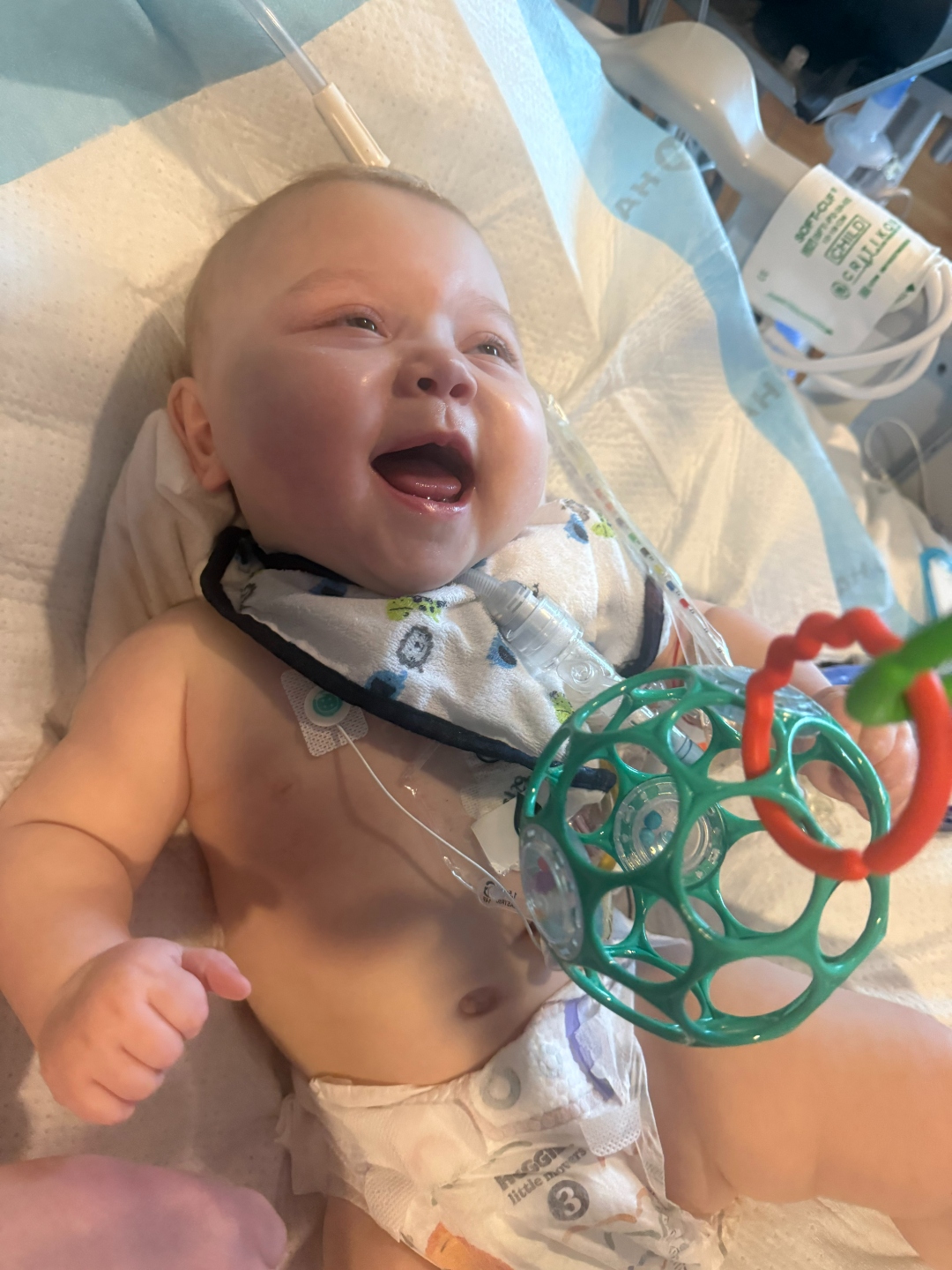
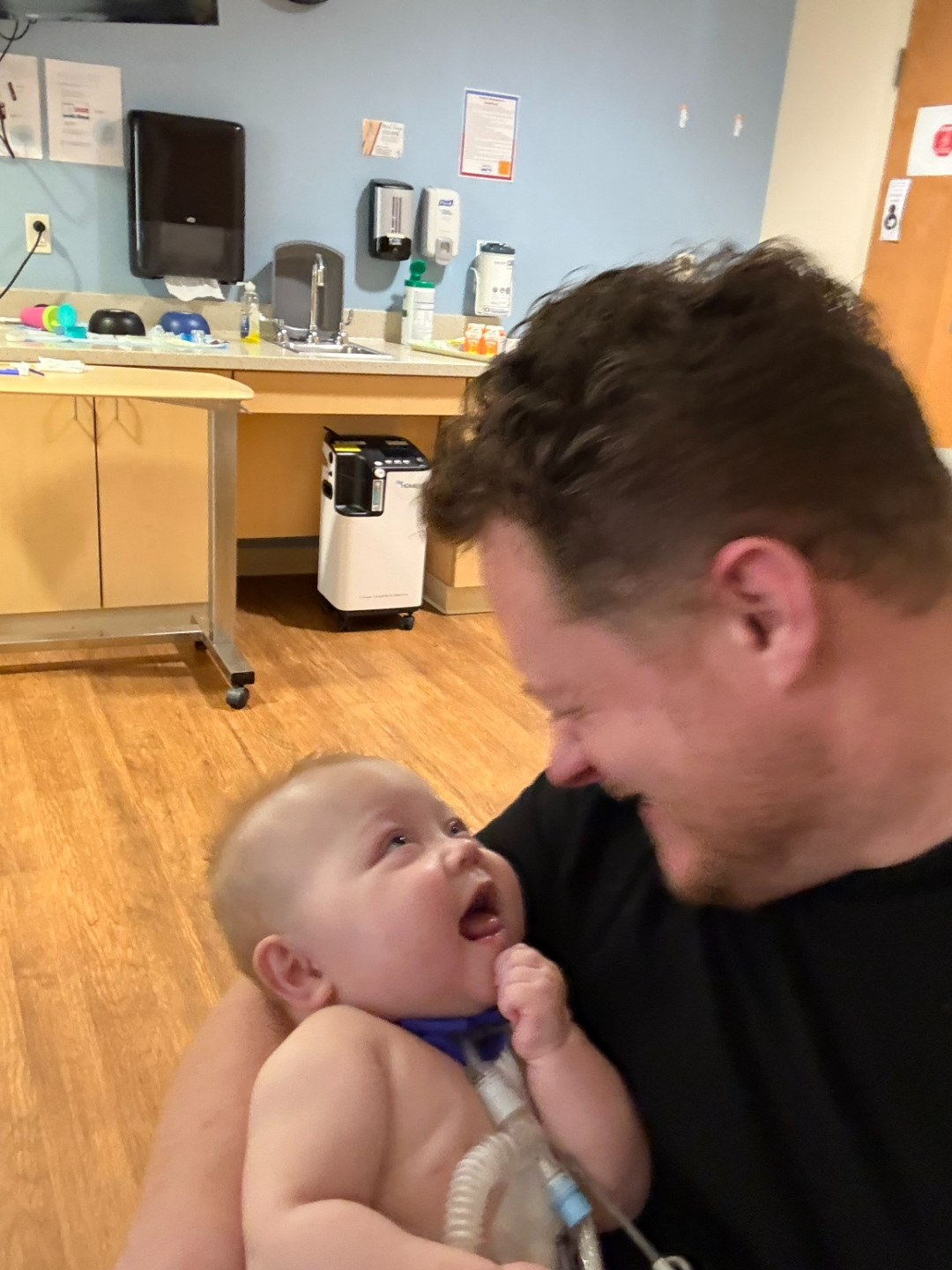
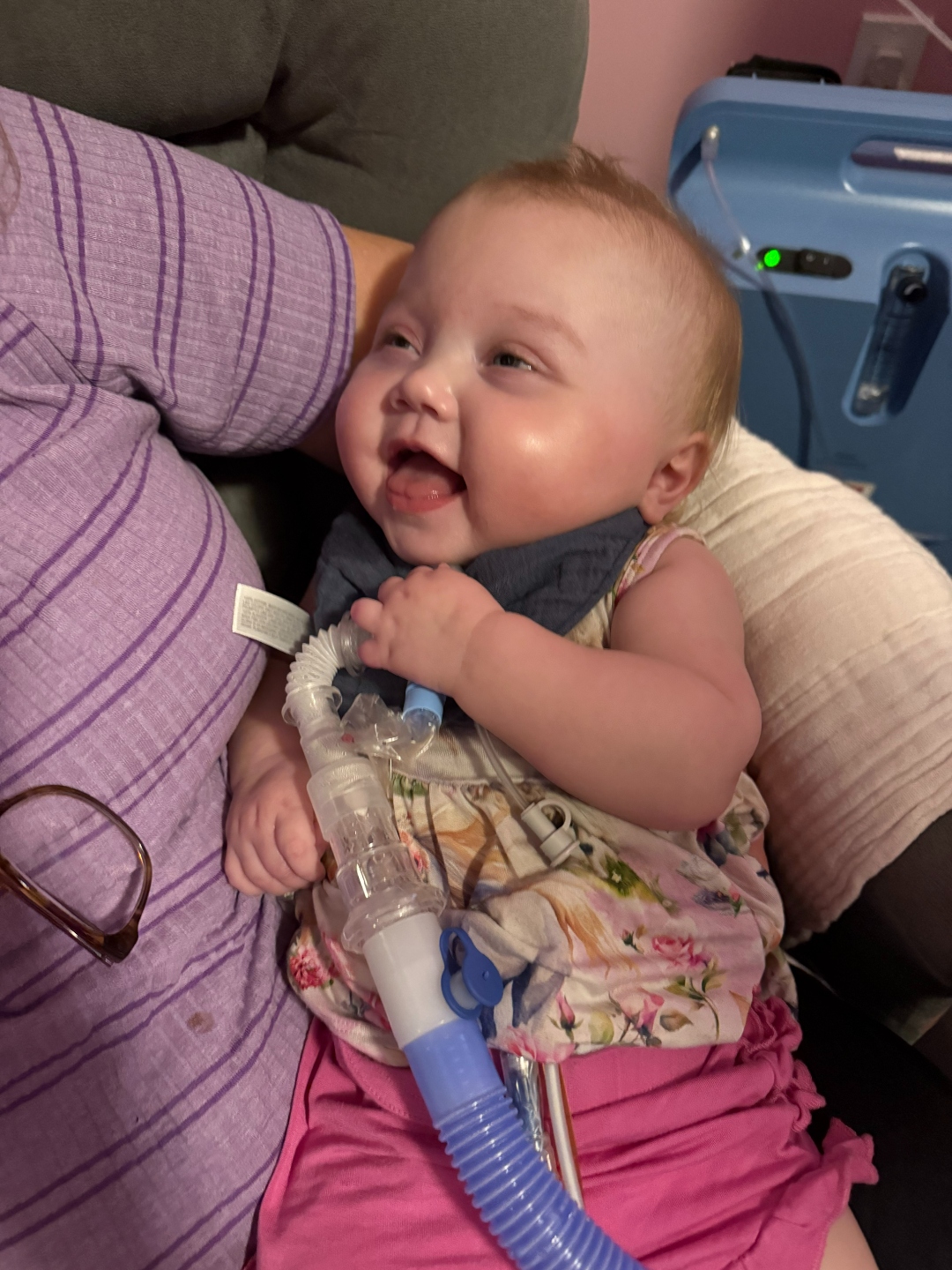
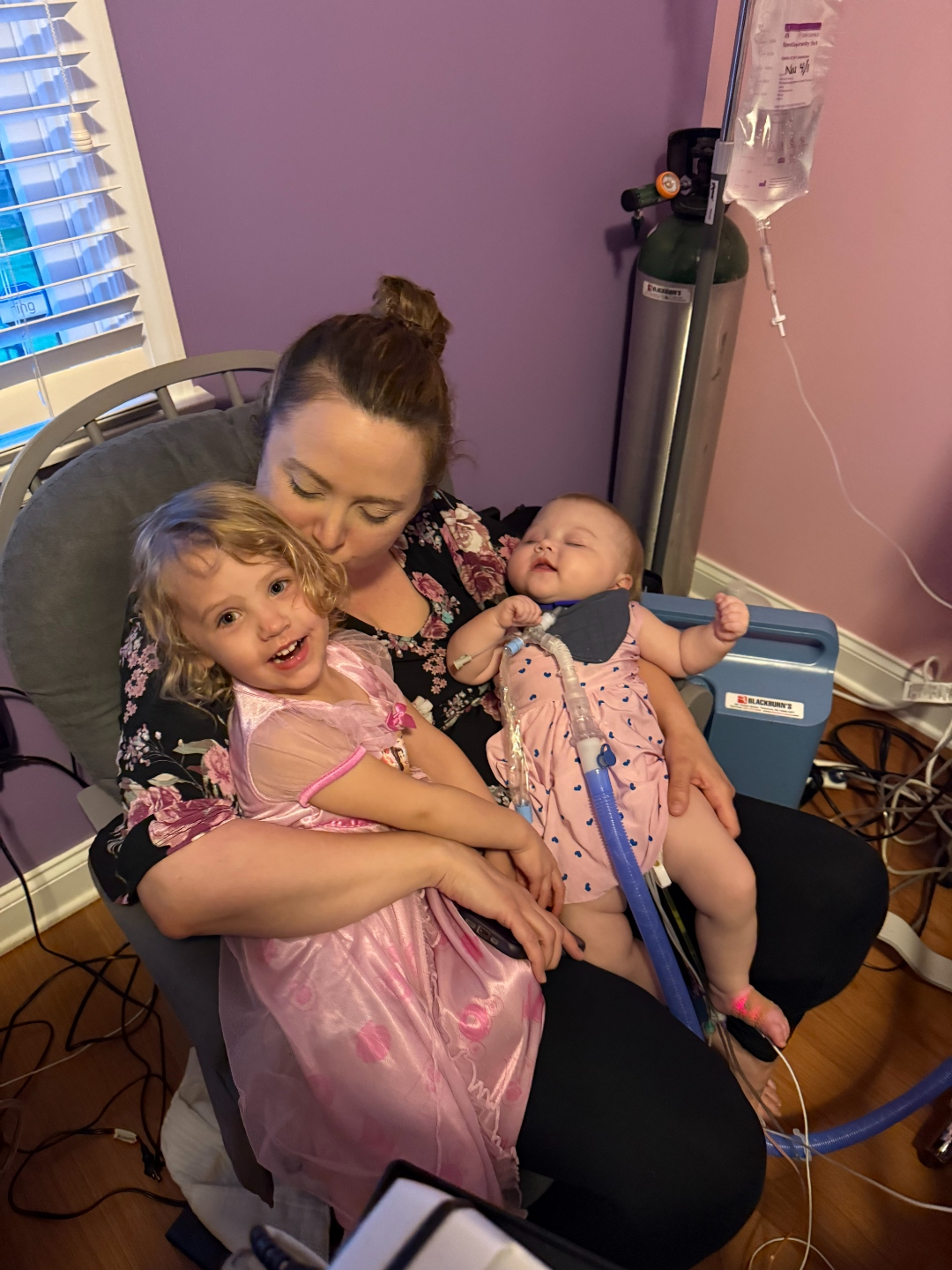
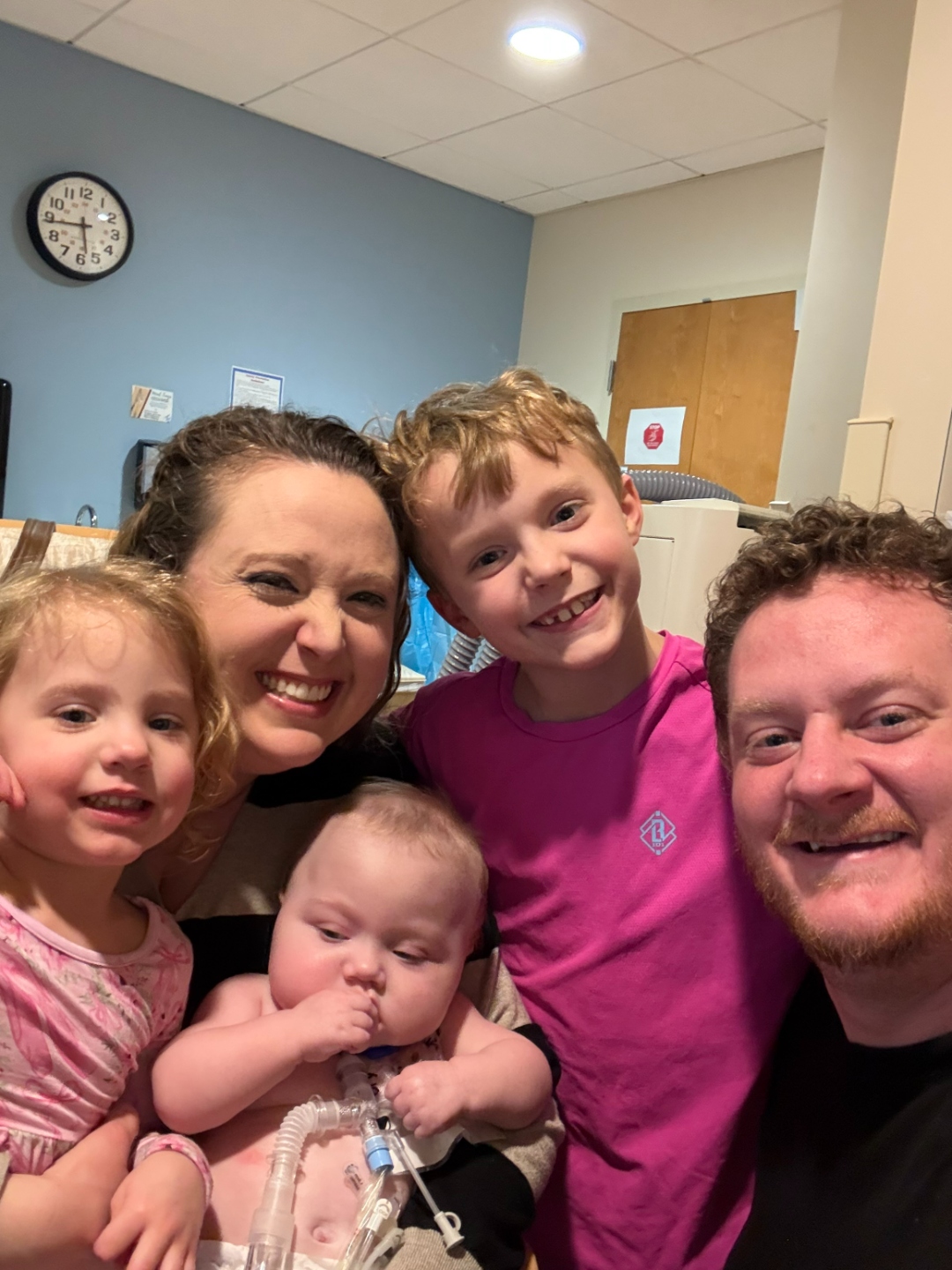
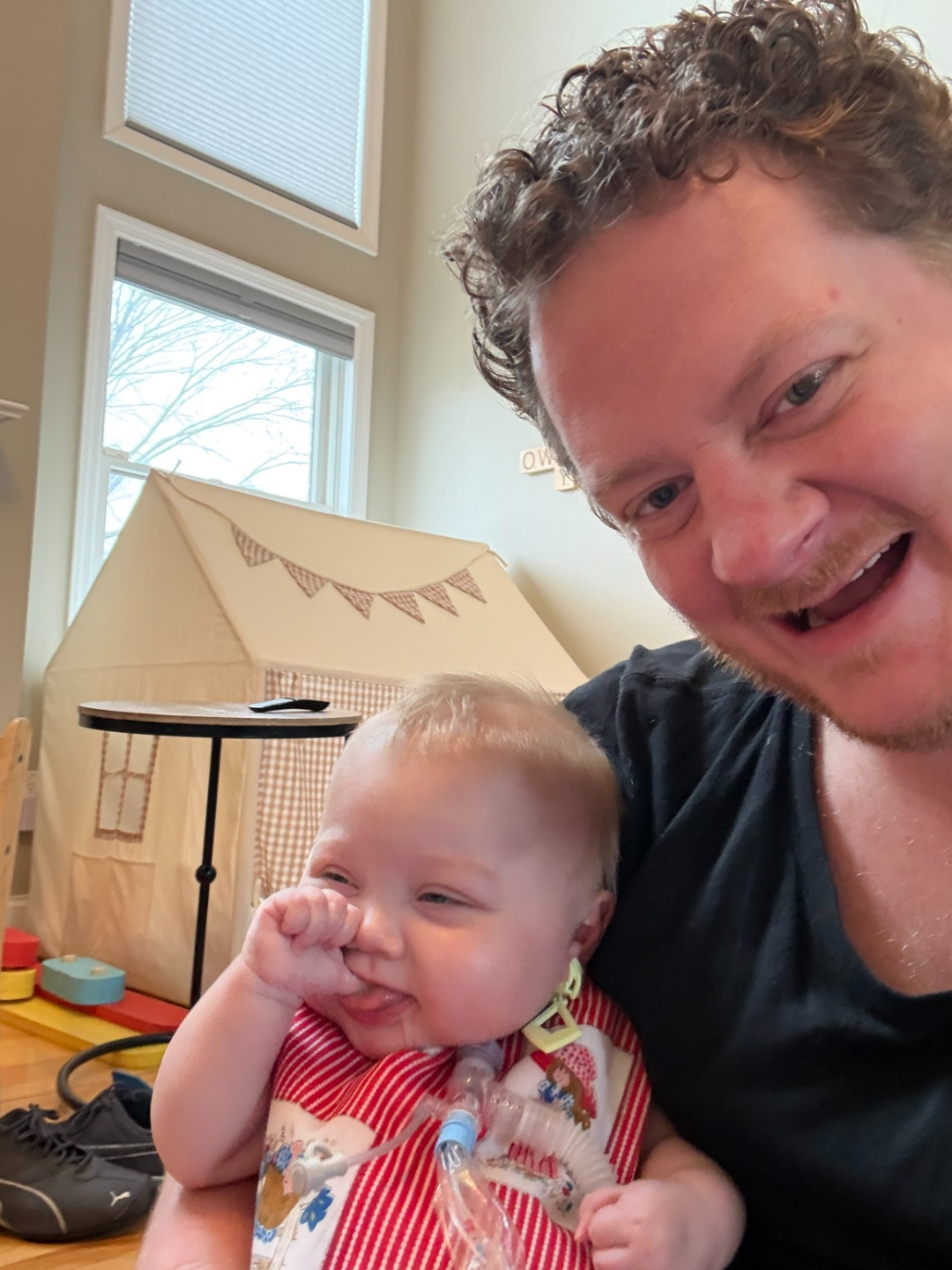
"Our pretty princess right where she belongs, at home snuggling mama and dada and laughing at her silly big brother and big sister." Iris is home and thriving after her April PICU stay.
Read on Facebook →Iris Hope LaValle is one year old. She carries one of the rarest gene mutations ever documented — and a smile that could light up any room. She is fighting every single day. So are we.
Iris Hope LaValle was born into a family overflowing with love. From her very first days, her personality was magnetic — bright eyes, infectious laughter, a spirit that filled every room. And from those same first days, she began a fight that no one, especially a baby, should ever have to face.
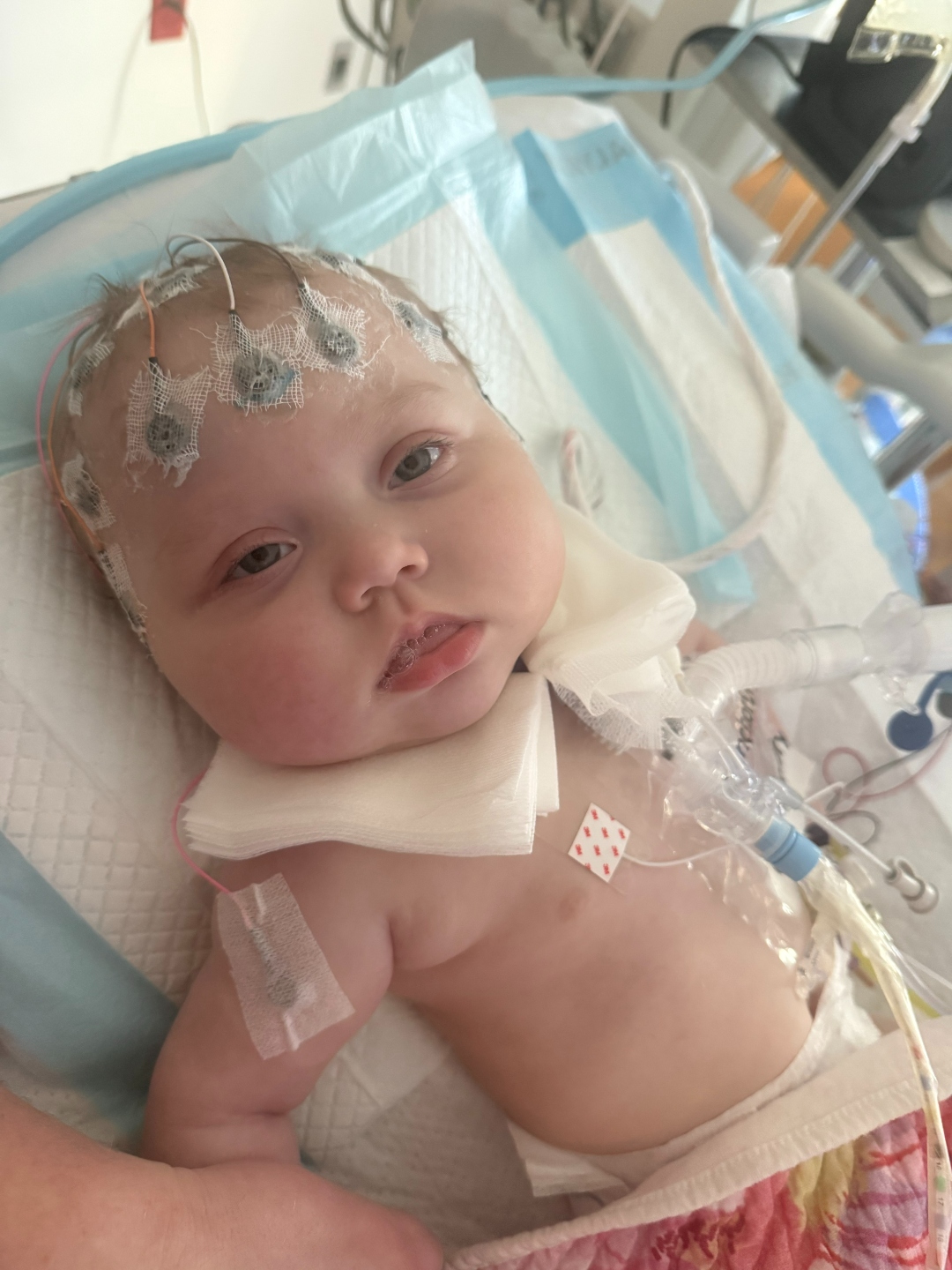
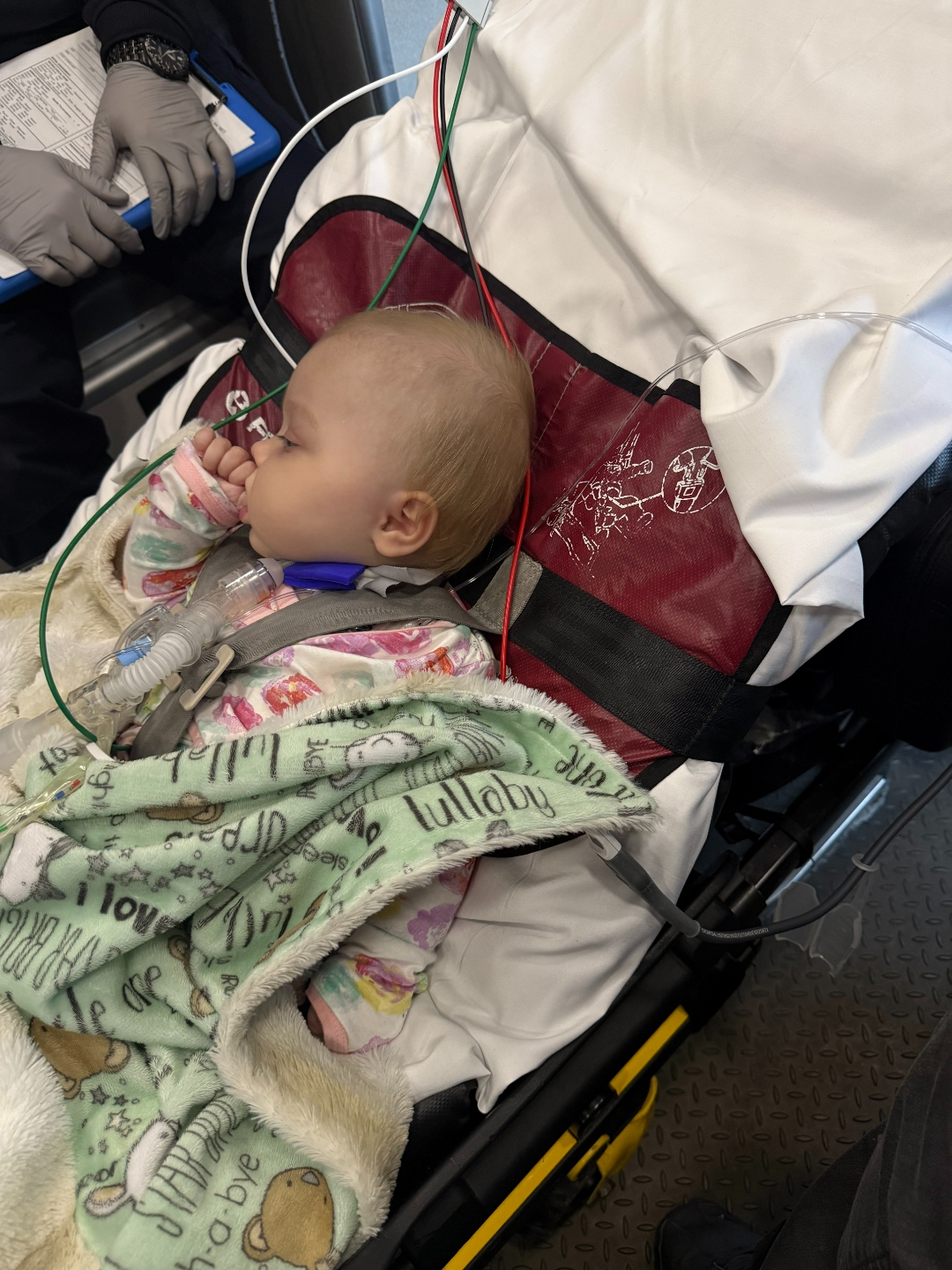
Shortly after birth, Iris began experiencing life-threatening episodes: her breathing would stop, her oxygen would plummet, her little heart would slow. What followed were months of hospital stays, specialists, terrifying ambulance rides, and an unending search for answers.
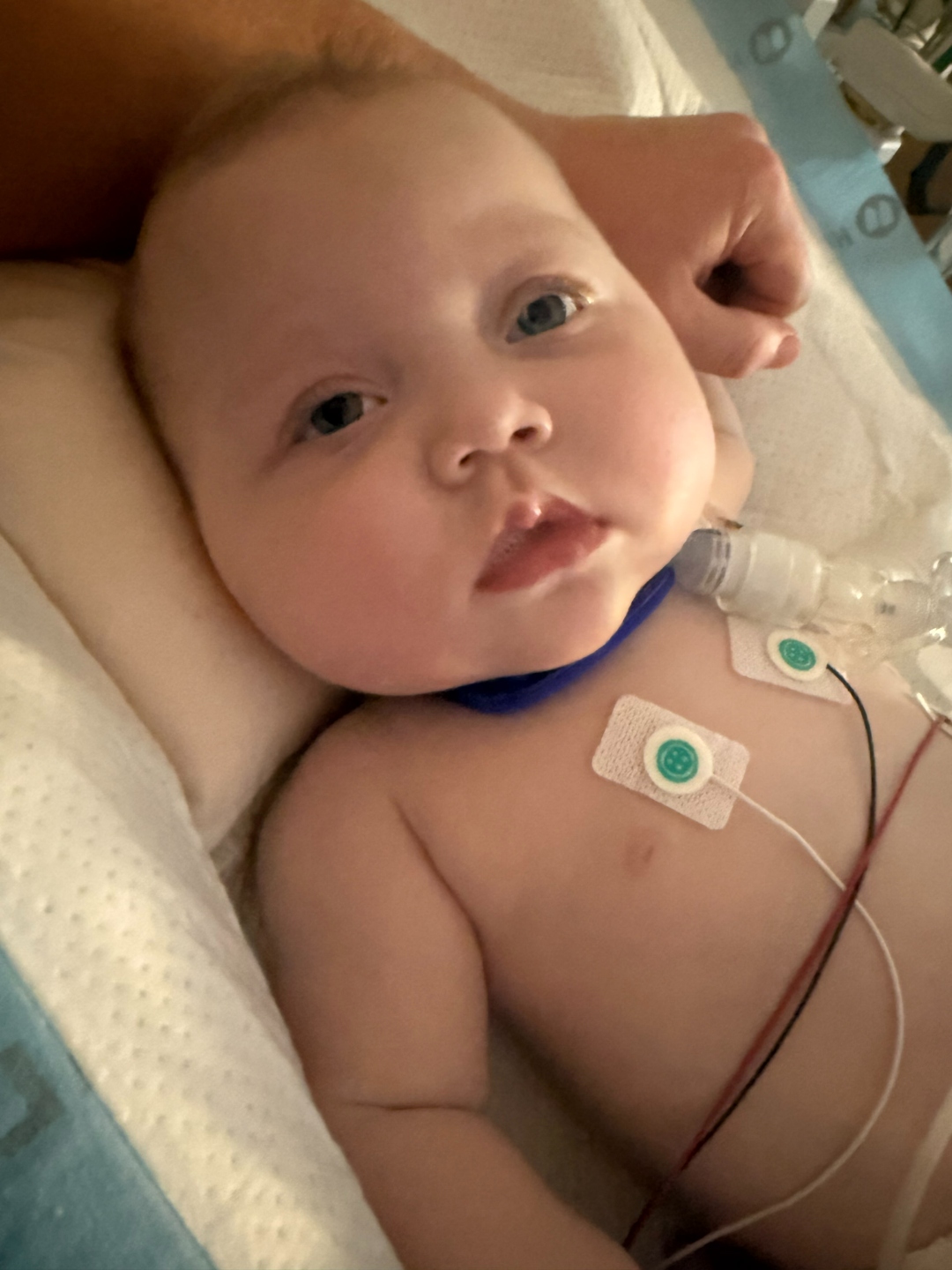
"She smiles through everything. Every monitor, every procedure, every hard day — Iris just looks up at you and grins. She is the bravest person we have ever known."
Eventually, genetic testing revealed the culprit: a biallelic loss-of-function mutation in the MRPL39 gene — one of the rarest mitochondrial diagnoses ever documented. Iris has Leigh Syndrome, a severe form of mitochondrial disease that robs the body's cells of the energy they need to survive.
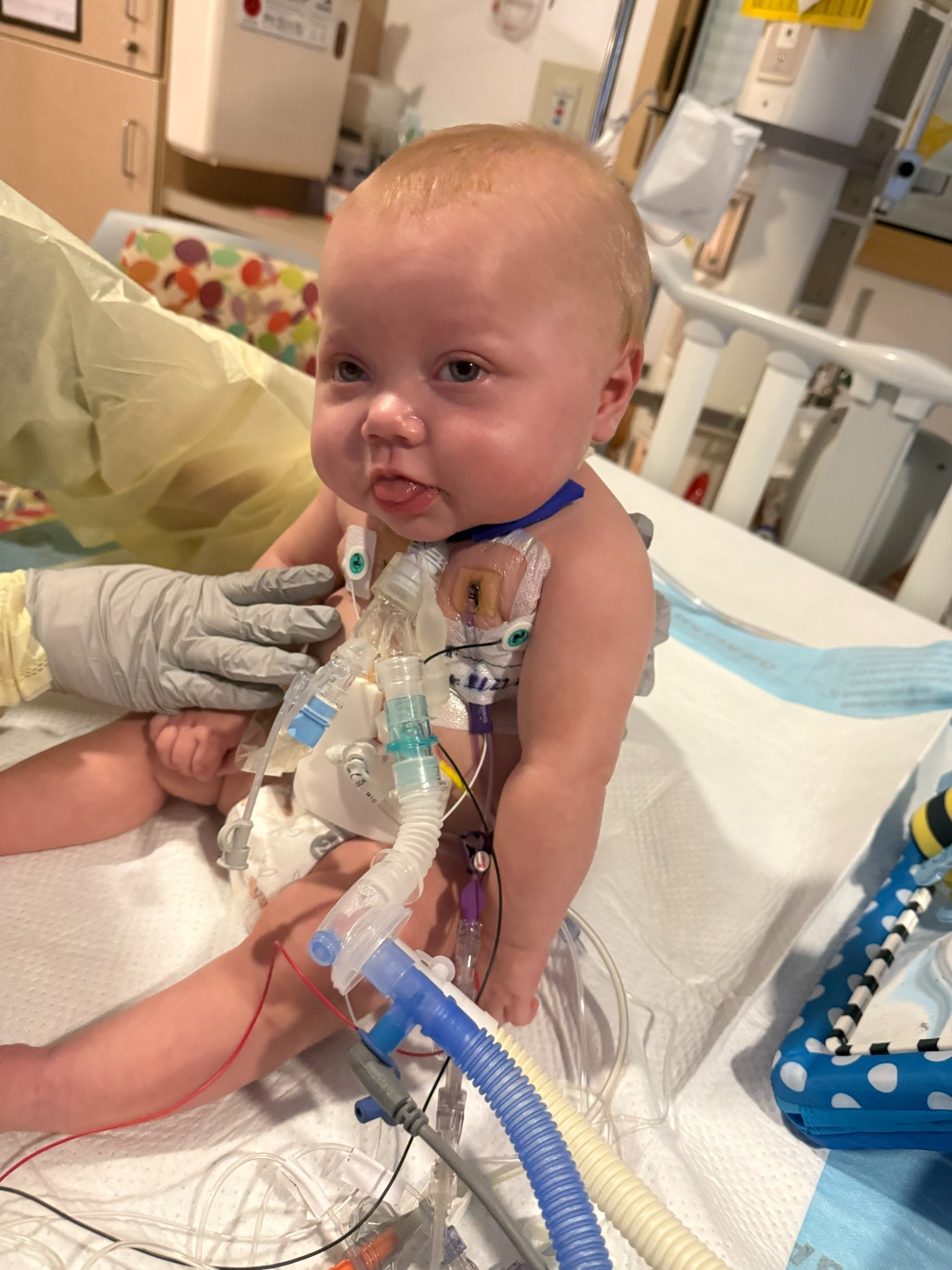
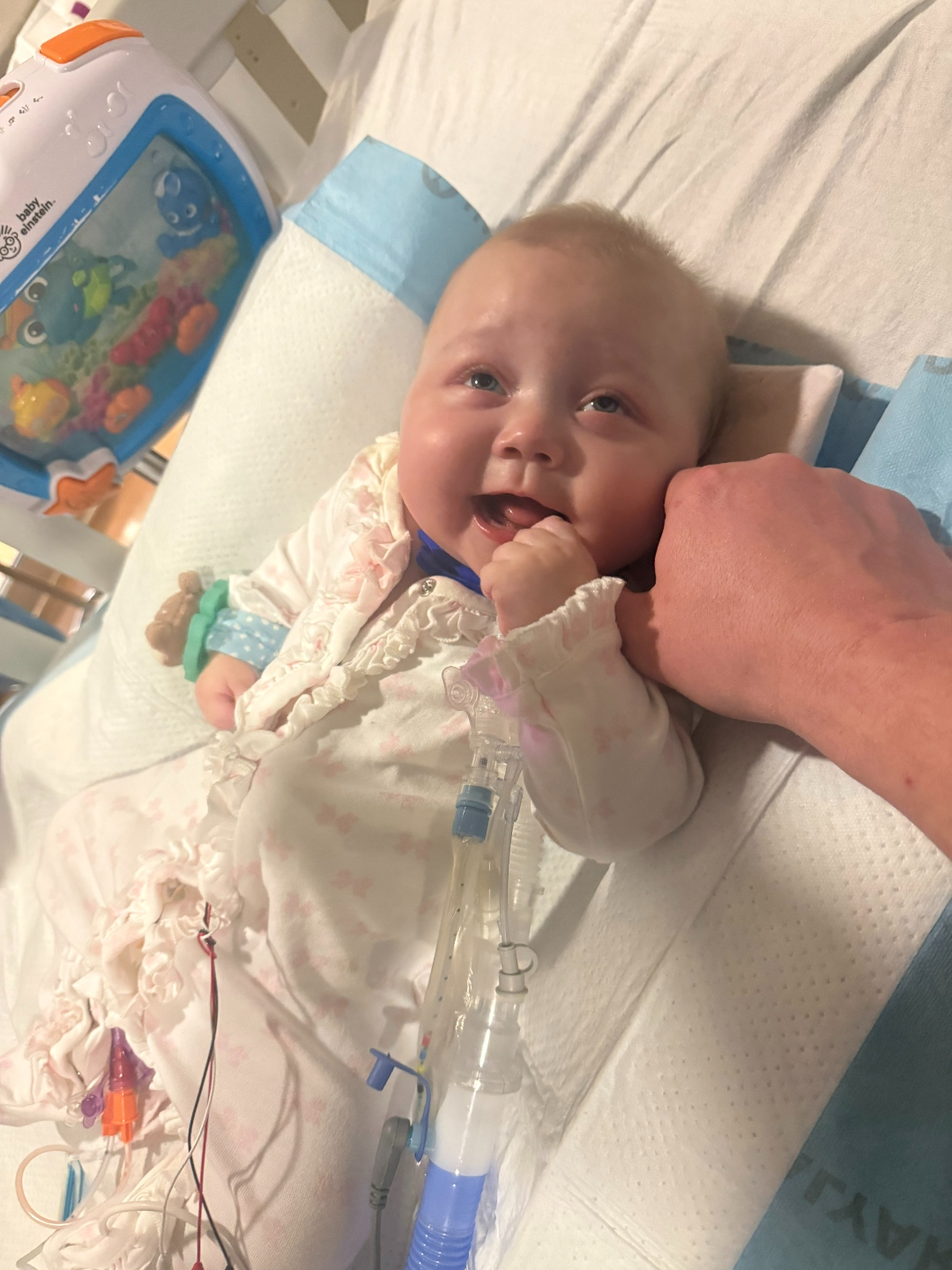
Today, Iris lives at home with her family. She breathes through a tracheostomy, is fed through a central line, and requires around-the-clock nursing care. Her medical bills are staggering. The treatments that could one day save her life don't yet exist — but researchers believe they could.
MRPL39 mitochondrial disease attacks the body's energy production at the cellular level. For Iris, this means managing multiple critical systems simultaneously, every hour of every day.
Iris requires a tracheostomy and chronic ventilator support due to central respiratory instability caused by brainstem involvement in her disease. She has experienced repeated life-threatening apnea events.
Iris has developed hypertrophic cardiomyopathy — a thickening of the heart muscle — with obstructive features typical of metabolic heart disease. Her cardiac function requires constant monitoring.
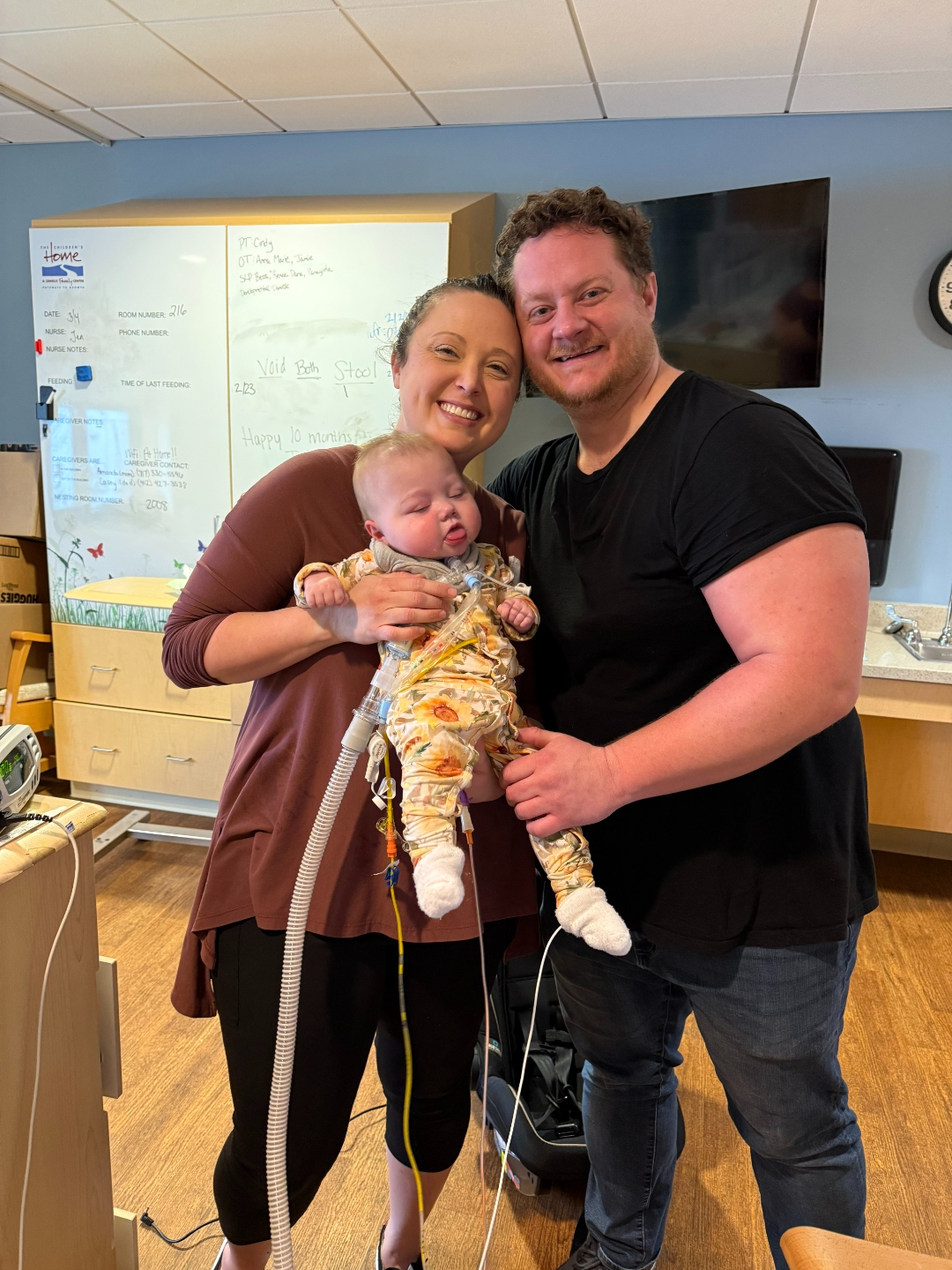
Because of the complexity of her condition, Iris requires skilled nursing care around the clock at home. Her parents Casey and Amanda are deeply involved in her daily care alongside her medical team.
MRI findings show symmetric metabolic injury to the brainstem and deep gray nuclei — the Leigh Syndrome pattern. These areas control breathing, heart rate, and consciousness.
Home ventilators, central line nutrition, nursing care, specialist appointments, and adaptive equipment create financial burdens no family should carry alone. Every donation makes a direct difference.
MRPL39 disease has no FDA-approved therapies. The family is actively seeking collaboration with gene therapy, antisense, and genome-editing researchers to develop first-in-class treatments.
Every dollar donated goes directly to Iris's ongoing medical care — nursing support, adaptive equipment, specialist consultations, and the relentless pursuit of treatments that could change not just her life, but the lives of every child with MRPL39 disease.
24/7 skilled nursing care for Iris at home
Ventilator and respiratory equipment
Specialist consultations and travel to leading centers
Outreach to gene therapy and research collaborators
All donations go directly to the LaValle family through GoFundMe's secure platform.
Secure donation via GoFundMe · Tax-deductible where applicable
Your financial contribution directly supports Iris's care, equipment, and the family's ability to pursue life-saving research on her behalf.
Donate NowThe right researcher, the right clinician, the right foundation could be one share away. Follow Iris on Facebook for updates, and share her story everywhere.
If you work in mitochondrial disease, gene therapy, or related fields, Iris's family is eager to connect. Download her clinical summary or request records.
Clinician Portal →The milestones, setbacks, and moments of pure joy that have defined her first year — told by her family. For her clinical progression, see the diagnosis page.
Iris Hope LaValle arrives by scheduled C-section in Pennsylvania. She struggles to breathe immediately and is intubated, then rushed by ambulance to Children's Hospital of Pittsburgh's NICU. Her story begins.
After a week in the NICU, Iris is extubated and comes home — but she isn't thriving. She struggles to eat, doesn't gain weight, and is diagnosed with failure to thrive. Something is wrong, but no one yet knows what.
After a reaction to a formula fortifier, Iris goes into shock. Her parents rush her back to Children's Hospital, where doctors discover she has cardiomyopathy — a serious heart condition. She spends two weeks in the PICU. Every test comes back negative. Amanda fights tirelessly to get genetic testing approved.
Genetic results reveal two mutations: RYR-1 (malignant hyperthermia susceptibility, inherited from Amanda) and a biallelic MRPL39 mutation causing mitochondrial disease. Iris is identified as the 6th child in the world with this specific mutation — and all five previously known children passed away before 11 months old.
Despite the terrifying diagnosis, Iris and her family have a relatively stable summer together. Iris is home, surrounded by her big brother Owen, her sister Eliana, and her parents. Every moment is precious.
On Owen's first day of school, Iris develops cold symptoms. Amanda pushes for a swallow study, which reveals Iris is silently aspirating on all liquid levels — she can no longer eat by mouth safely. She's placed on an NG tube and admitted to the hospital.
Just two days after a brief discharge, Iris's lips turn blue during a tube feed. Amanda performs two rounds of CPR — bringing Iris back before the ambulance arrives. Iris's brother Owen witnesses everything. Iris returns to Children's Hospital.
Iris has another cardiac event requiring chest compressions. She's moved to the PICU, where the family essentially lives. She begins having metabolic strokes affecting different parts of her brain. Multiple doctors prepare the family for the worst.
On Halloween, Iris undergoes dual tracheostomy and G-tube surgery. The family is terrified — and their fears prove justified when they later learn the wrong anesthesia was used, a life-threatening risk given her malignant hyperthermia condition. She pulls through.
Iris and Amanda's story is featured in People magazine, bringing national attention to Leigh Syndrome and the MRPL39 mutation. Iris holds court in the PICU, charming every nurse and visitor with her resilient spirit.
"Iris is HOME!! After 6.5 months, our baby girl has been discharged to home! Tonight we will sleep with our whole family under one roof!" The whole family reunited at last.
A setback sends Iris back to the PICU. But on April 1st, she's discharged again. "No April Fools Day prank here…Iris is back home!! All of my babies are sleeping under one roof." Iris refuses to give up.
Iris turns ONE. She is the first child with her specific MRPL39 mutation ever known to survive her first birthday. Every single person who shared her story, donated to her care, or said a prayer for her — helped make this possible.
The five children before her never made it this far. Iris did.
Follow Iris's ongoing story on Facebook — updated regularly by Casey & Amanda.
Follow Iris on Facebook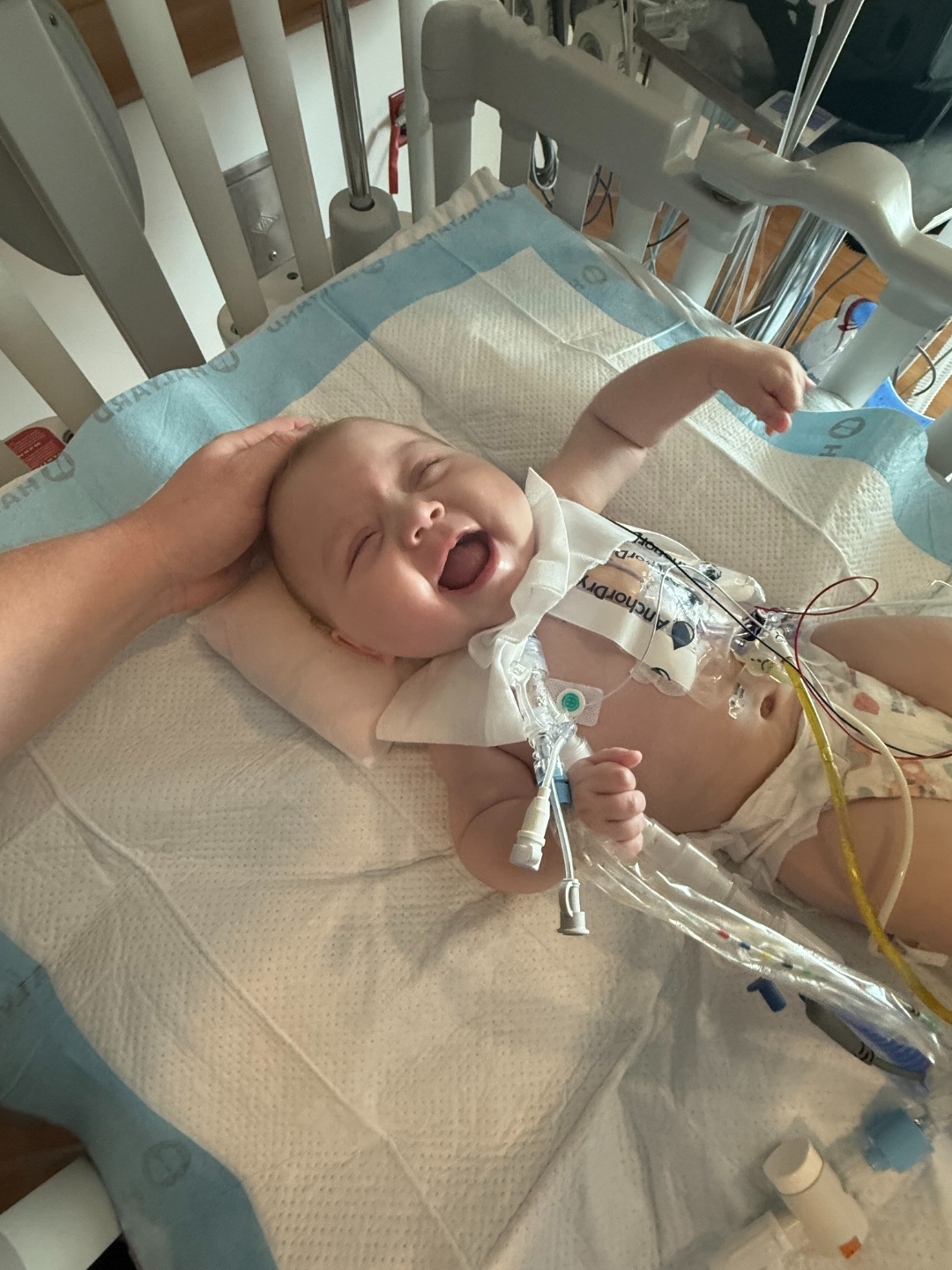
A short film about Iris Hope LaValle — her strength, her smile, and her family's fight.
Messages of love from the people fighting alongside her.
Want to leave a message of support for Iris and her family?
Leave a Message on GoFundMe →"Our pretty princess right where she belongs, at home snuggling mama and dada and laughing at her silly big brother and big sister." Iris is home and thriving after her April PICU stay.
Read on Facebook →"Join us in wishing Baby Iris a HAPPY 1st BIRTHDAY!! We are so thankful to have Iris with us!" She is the first child with her MRPL39 mutation known to survive her first birthday.
Read on Facebook →"Mitochondrial Disease is an unrelenting villain. It hides in… We will not relent until the monster of Mito is dead." Casey shares a powerful post on what life with mitochondrial disease really looks like.
Read on Facebook →Every dollar brings Iris closer to the care and research she needs.
Get updates on Iris's progress, new research developments, and ways to help — delivered directly to your inbox. No spam, ever.
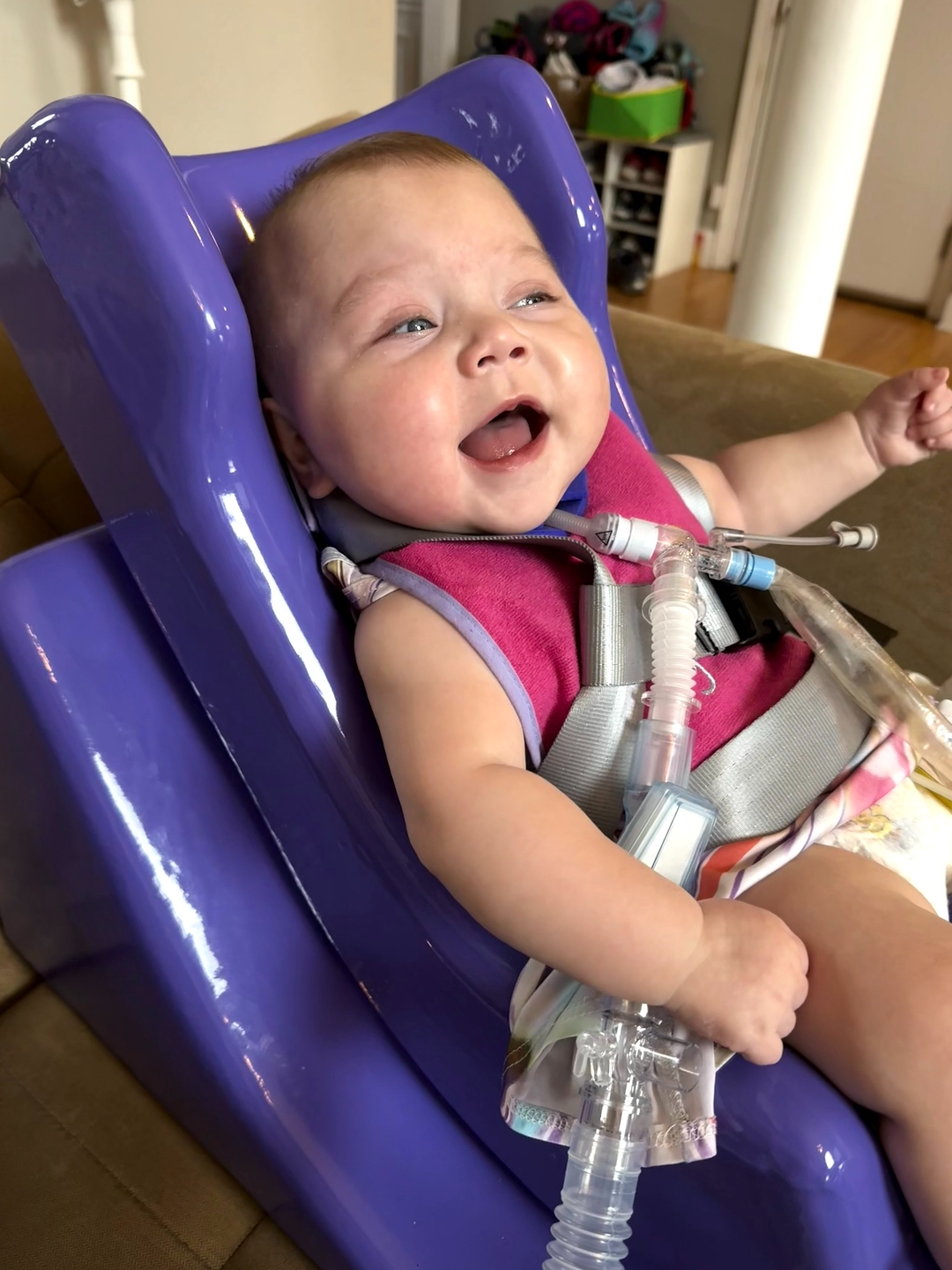
She cannot speak for herself yet. So we speak for her. We fight for her. And with every person who learns her name, hears her laugh, sees her smile — the circle of hope grows larger.